On this page
The people who search for "crypto OTC Mexico" tend to fall into a few groups. A US-owned manufacturer in Querétaro or Monterrey that pays suppliers in pesos and wants a faster dollar-to-peso route. A retiree in San Miguel de Allende who sold a house and wants part of the proceeds in bitcoin. A family office with Mexican and US members that needs one desk for both sides of the border. Different stories, same problem: at size, the price on the screen is not the price you get.
This guide covers what an OTC desk does, when it beats an exchange, which desks actually serve clients in Mexico, how settlement works across pesos, dollars and stablecoins, and what Mexican compliance rules mean for you. Where a provider keeps its terms private, we say so.
What an OTC desk does differently
OTC stands for over the counter. On a normal exchange, your order goes into a public order bookThe live list of buy and sell orders at each price. A market order fills against the best available offers, then moves to worse prices if it is large. and fills against other users' offers. With an OTC desk you ask a specialist for a quote on the full amount, accept or decline, and the trade settles privately. The desk sources liquidity itself, from its own inventory or by working the order across several venues.
What you get in practice:
- A firm price for the whole block before any money moves.
- Discretion. The market does not see a large buyer coming.
- Flexible settlement in pesos, dollars or stablecoins, and sometimes a credit line for established clients.
When OTC beats the order book
The hidden cost of large orders is slippageThe gap between the price you expected and the average price your order actually filled at. It grows as your order gets large relative to available liquidity.. Each price level in an order book holds a limited amount. A big market order eats through the first level, then the next, then the next, and your average price drifts up.
An illustrative example with round numbers: say the best offer is USD 100,000 per BTC, but only 0.4 BTC sits at that level. Buying 3 BTC walks the book up several steps. If your average lands 0.5% above the screen price, that is about USD 1,500 you paid without ever seeing it labeled as a fee. On top of that comes the taker feeExchanges charge 'takers' (orders that fill immediately against the book) a higher fee than 'makers' (limit orders that wait and add liquidity).. At Bitso, for example, taker fees on peso books start at 0.78% for low-volume accounts and only fall to 0.26% or less at very high monthly volume.
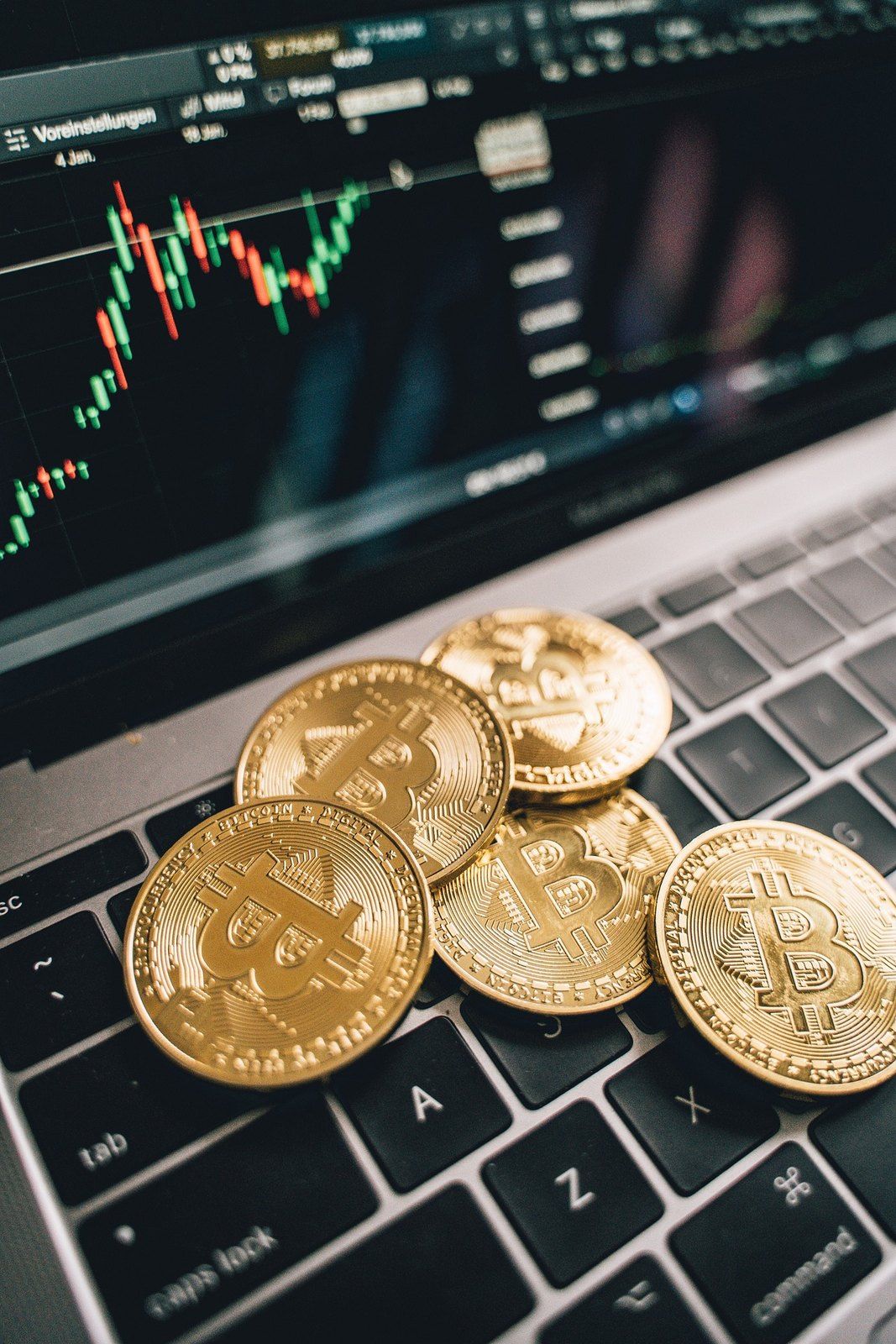
Peso markets make this worse. BTC/MXN and USDT/MXN books are thinner than the big BTC/USD markets, so the size at which slippage starts to hurt arrives sooner than many newcomers to Mexico expect. You can reduce slippage yourself by splitting the order into limit orders over days, but you take on price risk while you work the order and leave your accountant hundreds of fills to reconcile. An OTC desk swaps all of that for a spreadThe difference between the price a dealer quotes you and the market mid-price. On OTC trades this is usually how the desk gets paid. you know up front.
OTC desks that serve clients in Mexico
No public registry of OTC desks exists in Mexico, and none holds a Mexican license to sell crypto to the public. Banxico's Circular 4/2019 keeps banks and fintechs out of the business entirely, which our guide to whether crypto is legal in Mexico explains. Here is what we could confirm.
| Desk | Minimum | Settlement | How solid the information is |
|---|---|---|---|
| Bitso Business OTC | Not published | On-chain, local transfer (SPEI) or credit line | Official page; minimum and fees quoted per client |
| Kraken OTC | USD 100,000 (official) | USD and stablecoins | Official minimum; onboarding of Mexican entities unconfirmed |
| Binance VIP / OTC | No peso minimum published | USDT/USDC; pesos via Medá | Global VIP program confirmed |
| OKX, Bybit, Crypto.com | Conflicting figures | Mostly USDT | Nothing official for Mexico |
Bitso Business OTC
Bitso is Mexico's home-grown exchange, and its business arm runs an OTC desk for institutional market makers, corporate treasuries, family offices, funds and high-net-worth individuals. You get a dedicated specialist, quotes by asset, size and destination, execution through a dashboard or API, and automatic trade confirmations. Settlement can be on-chain, by local transfer or against a credit line. Bitso Business connects directly to SPEI with 24/7 pay-ins and payouts, and it also sells MXN to USD conversion with locked rates for cross-border payments. That last point matters for companies paying Mexican payroll or suppliers from US revenue. Minimums and fees are "personalized", so ask for a quote. Background on the retail side is in our Bitso review.
Kraken OTC
Kraken's official OTC page lists a USD 100,000 minimum. Some secondary sources say it was lowered; we could not confirm that on Kraken's own site, so treat USD 100,000 as the reference. A Mexico-specific quirk: Kraken's retail account accepts pesos via SPEI but converts them to dollars automatically on arrival, without publishing the conversion cost. If you are a US citizen living in Mexico, which Kraken entity onboards you depends on your residency. More in our Kraken review.
Binance VIP and OTC
Binance runs OTC inside its VIP program. Since July 2026, OTC spot volume counts four times toward VIP status, and the asset threshold for VIP 3 fell from USD 3 million to USD 1 million. Pesos reach Binance in Mexico through Medá, its local e-money institution. We found no peso-denominated OTC minimum. See the Binance review for the retail picture.
OKX, Bybit and Crypto.com
All three serve users in Mexico and run OTC or VIP services globally, but the minimums floating around contradict each other. One comparison puts OKX at about USD 100,000; we found nothing for Bybit; for Crypto.com, sources quote both USD 100 and USD 50,000, which only makes sense if they are describing different products. Get the terms in writing before you plan around them.
FalconX and institutional desks
FalconX announced its Latin America expansion in July 2025, naming Brazilian clients BTG Pactual and Mercado Bitcoin. Mexico was not named. Desks such as B2C2, Wintermute, Cumberland and Galaxy work with institutions under master agreements; secondary sources say tickets typically start in the hundreds of thousands of dollars. We found nothing Mexico-specific for them.
Settlement: pesos, dollars or stablecoins
Price is half the trade. How the money moves, and in which order, is where the real risk sits.
Pesos via SPEI. If you have a Mexican bank account, SPEI is the obvious rail: it settles in seconds, runs 24/7 and cannot be reversed. That is why desks insist the transfer comes from an account in the verified client's name. Check the transfer limit your bank has set on your account or channel before you try to send millions. The basics are in our SPEI guide.
US dollar wire. The natural choice if your money sits in a US account or your company earns in dollars. Expect banking hours, wire fees and, if you convert pesos first, your bank's exchange margin. Mexican rules restrict who can hold US dollar accounts inside Mexico, so many expats keep the dollar leg in the US.
Stablecoins. A large share of OTC flow settles in stablecoinsA crypto token designed to hold a steady value, usually pegged 1:1 to the US dollar or another currency.: USDT, often on the low-cost Tron network, or USDC. If you already hold USDT, you can swap into bitcoin or pesos without touching a bank until the last step. For peso flows there is also MXNB, the Mexican peso stablecoin issued by Juno, a Bitso subsidiary, on Arbitrum. It is minted and redeemed by SPEI, which makes it a neat bridge for B2B payments; see our MXNB explainer.
Who sends first
Someone has to move money first, and that exposure is counterparty riskThe risk that the other side fails to deliver after you have already sent your money or crypto.. Large desks normally ask you to pre-fund, or extend a credit line once you have history and collateral. What you should never do is wire pesos to the personal account of a "broker" from a Telegram group offering USDT below market. Those fake intermediaries are the most common OTC fraud in Mexico.
For a few thousand dollars, a direct card purchase is usually enough. The platform is registered with FinCEN as an MSB (NMLS 1804170) and with the UK FCA.
KYB and onboarding documents
Any serious desk runs KYBKnow Your Business: verifying a company, its representatives and its real owners before it can trade. The corporate version of KYC. for companies and enhanced KYC for individuals. Bitso describes a "simple, one-time verification" plus automated checks on every trade, but publishes no document list. For a Mexican company, the typical set looks like this; it is the market norm, not any one platform's list:
- Acta constitutiva (articles of incorporation) with registration details and relevant amendments.
- Poderes: notarized powers of attorney for the legal representative who will sign and trade.
- RFC and Constancia de Situación Fiscal, the company's tax ID and current tax status certificate.
- Comprobante de domicilio fiscal, recent proof of the registered tax address.
- Official ID of the legal representative (passport for foreigners).
- Beneficial-owner declaration naming the individuals who own or control the company.
A US LLC or Delaware corporation usually swaps those for its formation documents, EIN letter, operating agreement and an ownership chart. Individuals should expect a passport, Mexican residency card if they have one, proof of address and source-of-funds evidence, such as a property sale contract or brokerage statements.
Mexican AML rules that apply to your trade
Platforms that offer virtual-asset services to people in Mexico are an "actividad vulnerable" under Mexico's anti-money-laundering law (LFPIORPI). The July 2025 reform cut the reporting threshold from 645 to 210 UMA per operation, about MXN 24,635 at the current UMA of MXN 117.31 per day. A report is also due when the fee charged reaches 4 UMA (about MXN 469), and smaller operations are aggregated over six-month periods. Virtually every OTC trade generates a report. That is routine, not an accusation.
The reform also reaches platforms serving Mexicans from abroad, doubled record retention to 10 years and, under rules published in August 2026, reports must include sender and receiver details, wallet address included. Expect a desk to ask for a destination wallet in your own name and to refuse third-party wallets.
Tax depends on where you are resident. Mexican tax residents treat a crypto gain as a disposal of goods; companies include it in income taxed at 30% under the general regime. US citizens also report to the IRS regardless of residence. Keep every trade confirmation, because many foreign platforms do not issue Mexican CFDI invoices. Our crypto tax guide for Mexico has the details.
Exposure without custody: bitcoin ETFs
Not everyone who wants bitcoin exposure wants private keys or a desk relationship. If you already have a US brokerage account, the US spot bitcoin ETFs are a few clicks away. Mexican residents can also reach them locally: since January 2024, GBM has offered all 11 US spot bitcoin ETFs (IBIT, FBTC, ARKB, BITB, GBTC and others) through Trading Global, its US-market service run with DriveWealth. That is not the Mexican SIC listing system; whether any of these ETFs is on the SIC today we could not confirm.
- Buy in pesos through a Mexican brokerage, no wallet or seed phrase
- The fund holds the bitcoin with an institutional US custodian
- Fits a regular investment portfolio with brokerage statements
- It is not bitcoin: you cannot withdraw it to a wallet or spend it
- Trades only during US market hours, not 24/7
- Annual fund fee, and tax treatment differs from holding coins directly
If you prefer to own the coins at size, plan your custody: a hardware wallet or a multisig setup for a company. Our crypto wallets guide compares the options, with notes for people who move between countries.
Questions to ask before you sign
Get written answers to these before the first transfer. A serious desk answers them plainly.
- What is the minimum per trade, how is the spread set, and is there an extra fee?
- How long is a quote valid, and what happens if price moves while my funds are in transit?
- Who sends first? Do you offer delivery versus payment or a credit line?
- Which legal entity signs the contract, in which country, and who holds funds during settlement?
- Can I settle in pesos via SPEI from my company account, and withdraw to my own wallet?
- What confirmations and statements do you provide for accounting in Mexico and abroad?
Before a large trade, do a small purchase and a withdrawal to your own wallet so you know the timing, networks and paperwork.
If you are mainly converting crypto into pesos, our guide to selling crypto in Mexico covers bank cash-outs. For the basics of buying the asset itself, start with our bitcoin page.
Frequently asked questions
What is a crypto OTC desk?
It is a private trading service for large orders. Instead of sending your order into a public order book, the desk quotes one fixed price for the full amount and settles bilaterally. Companies, family offices and high-net-worth individuals use it to avoid slippage and to keep large orders out of public view.
What is the minimum for OTC trading in Mexico?
It depends on the desk. Kraken's official page states USD 100,000, although some secondary sources suggest it may be lower. Bitso Business does not publish a minimum and quotes each client individually. For OKX, Bybit and Crypto.com, the minimums quoted online conflict between sources, so confirm directly with the platform.
Can a foreigner living in Mexico use a Mexican OTC desk?
Usually yes, if you can pass KYC. Expect to show a passport, your Mexican residency card if you have one, proof of address and evidence of source of funds. To settle in pesos via SPEI you need a Mexican bank account in your own name, and peso rails at Mexican exchanges often require a CURP or RFC.
Can I settle an OTC trade in US dollars?
With international desks, yes, by bank wire or in stablecoins such as USDC and USDT. Mexican desks such as Bitso Business settle in pesos by local transfer and also sell MXN to USD conversion. Note that Kraken's retail account converts incoming pesos to dollars automatically.
Is a bitcoin ETF a simpler alternative?
For many investors it is. If you already have a US brokerage account, you can buy the US spot bitcoin ETFs there. Mexican residents can also reach them through GBM's Trading Global service. You own a security, not bitcoin, so you cannot withdraw it to a wallet, and the tax treatment differs from holding coins directly.