On this page
Buying ether in Mexico is easier than buying most altcoins, because ETH has a direct peso market on Bitso. What makes Ethereum different is what happens after the purchase: every on-chain move pays gas, and the network you choose can make that cost cents or several dollars.
Many English speakers here also arrive with ETH already sitting in a US or European account. So this guide covers both directions: buying ETH with pesos, and bringing ETH into Mexico to spend or cash out, without overpaying on fees or sending coins to the wrong network.
Ethereum, briefly
Ethereum is a blockchain that runs programs called smart contracts. Stablecoins such as USDC, decentralized exchanges, NFTs and thousands of tokens live on it. Its coin, ether (ETH), pays for using the network. Since 2022 Ethereum has run on proof of stake: validators lock ETH as collateral instead of miners burning electricity, which is where staking comes from.
Where to buy ETH in Mexico
| Platform | Funding | Market | Key point |
|---|---|---|---|
| Bitso | SPEI, free | ETH/MXN | 0.60% maker / 0.78% taker at base tier; CURP required |
| Kraken | SPEI from MXN 150 | ETH/USD | Pesos auto-convert to USD on arrival |
| Mercado Pago | App balance | In-app buy | 1.5% per trade, VAT included |
| Binance, OKX, Bybit | SPEI or P2P | ETH/USDT | Buy USDT first |
| Card platform | Visa, Mastercard | Direct buy | Billed in USD |
Residents with a CURP get the cheapest path on Bitso: fund by SPEIMexico's interbank transfer system: bank-to-bank transfers in seconds, 24/7., buy ETH/MXN, and use a limit orderAn order at a price you set. It fills only when someone takes it, and pays the lower maker fee. to pay the 0.60% maker fee instead of the 0.78% taker fee. On 10,000 pesos, that's 18 pesos saved. The Bitso review covers verification levels.
Expats with a Mexican account may prefer Kraken: SPEI deposits from a CLABE in your name are converted to US dollars, and you buy ETH/USD. Handy if you think in dollars. See the Kraken review.
Mercado Pago users can buy ether inside the app from about one peso, funding the balance by SPEI or with cash at OXXO. The fee is 1.5% on each buy and each sell, and the menu is short: bitcoin, ether, Litecoin, Chainlink, Uniswap and the Meli Dólar stablecoin. It's a reasonable sandbox for a first purchase of a few hundred pesos, less so for larger sums or for moving ETH to your own wallet.
Visitors rarely need local rails. A card platform billing in dollars means a US card pays no FX conversion. The card guide explains declines and fees.
Estimates using published fees: Bitso 0.13–0.78% (SPEI), Mercado Pago 1.5% + store fee (OXXO), CEX.IO 0.49–4.99% (card), CoinFlip 6% + MXN 50 (ATM). Excludes spread and network fees.
Bringing ETH into Mexico from abroad
If your ETH is on a US exchange, you don't have to sell there and wire dollars. You can send ETH to Bitso, sell on ETH/MXN and withdraw pesos to your CLABE by SPEI, with no withdrawal fee on Bitso's side.
The network choice matters. Bitso accepts ETH deposits on Ethereum, Arbitrum, Base, Optimism and Polygon, with different confirmation counts: 12 on Ethereum, 30 on Arbitrum, 200 on Base. Many US platforms offer Base or Arbitrum withdrawals for a fraction of the mainnet cost. Pick a network both sides list, and send a small test first. This is the same logic as the guide to selling crypto in Mexico, applied to ETH.
A worked example: paying rent from ETH held abroad
Say you rent an apartment in Mérida and keep ETH on a US exchange. Rather than selling in dollars, wiring to a Mexican bank and paying a conversion spread, you could:
- Withdraw ETH from the US platform on a network Bitso accepts, such as Arbitrum or Base, after a small test transfer.
- Wait for Bitso to credit it (30 confirmations on Arbitrum, 200 on Base).
- Sell on ETH/MXN with a limit order near the market price.
- Withdraw pesos to your CLABE by SPEI and pay your landlord as usual.
You pay the US platform's withdrawal fee, Bitso's trading fee and nothing for the SPEI withdrawal. Whether this beats a wire depends on your bank's rate, so compare the final peso amount both ways once.
Gas, demystified
Trades inside an exchange don't pay gas; the exchange just updates its ledger. GasThe fee Ethereum charges to process a transaction, paid in ETH. It rises when demand is high. applies whenever ETH moves on-chain: withdrawing, sending, swapping on a decentralized app or approving a token.
Its price follows demand. A simple transfer uses little; a complex swap uses much more. At busy moments a single mainnet transaction can cost several dollars, which hurts when you're moving a few hundred pesos. Exchanges typically charge a flat withdrawal fee per network instead of passing on live gas, and Bitso publishes a separate fee for each of its five ETH networks. Check the current table before withdrawing.
Layer 2s: Arbitrum, Base and friends
Layer 2A network built on top of Ethereum that bundles many transactions and settles them together on mainnet, so each one pays far less gas. networks process transactions off mainnet and post compressed results back to Ethereum. Using an app on Arbitrum or Base usually costs a fraction of the same action on mainnet.
There's a Mexico-specific reason to care: MXNB, the peso stablecoin issued by Bitso's subsidiary Juno, runs on Arbitrum. If you plan to hold or send digital pesos on-chain, you'll need a little ETH on Arbitrum for gas. More on the MXNB page.
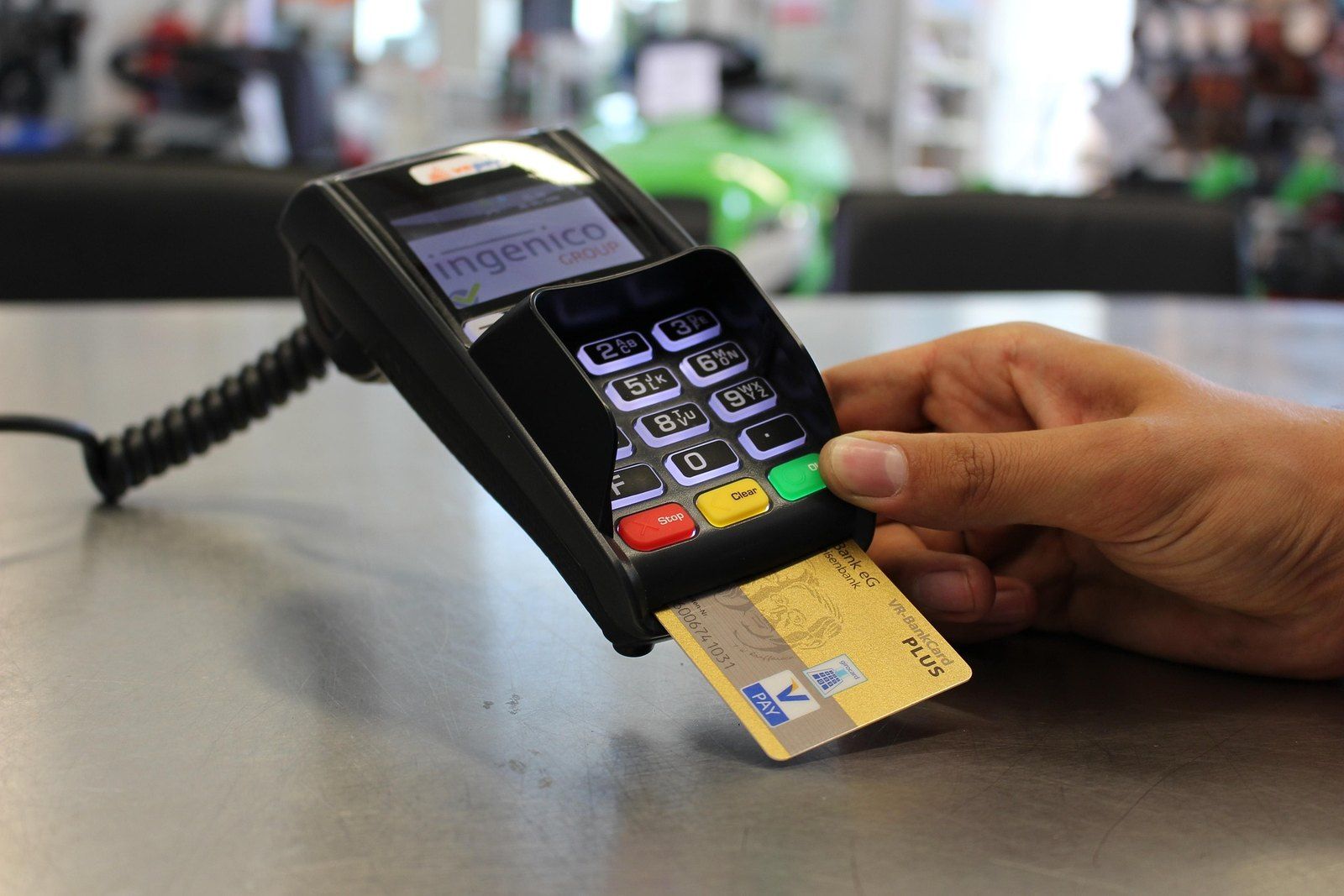
Buy ether with Visa or Mastercard in minutes. Charges are in US dollars, so check your bank's foreign transaction fee if your card is Mexican.
Staking ETH: the fine print
StakingLocking coins to help validate a proof-of-stake network in exchange for rewards, often with withdrawal delays and penalty risk. means posting ETH as collateral to help validate the network and earning rewards. Three ways to do it from Mexico:
On an exchange. Bitso's yield section includes ETH staking, run with the provider Kiln according to both companies. One tap, periodic payouts, but your ETH sits in the exchange's custody and the rate is theirs to set.
Liquid staking. Protocols that hand you a token representing staked ETH, usable in other apps. You add smart-contract risk and the chance that token trades below ETH.
Your own validator. 32 ETH, an always-on machine and real expertise. Misbehave and the protocol cuts your stake, a penalty called slashing.
- Rewards paid in ETH without selling
- Exchange staking needs no 32 ETH minimum
- Helps secure the network
- Yield is variable and set by the network and platform
- Exchange staking means third-party custody
- Unstaking can take days depending on the network queue
- Rewards may have tax consequences for Mexican residents
None of this protects you from price swings. A few percent of yield doesn't offset a 30% drawdown, so treat staking as a bonus rather than the reason to buy.
Common ETH mistakes
Withdrawing tiny amounts repeatedly. Each withdrawal pays a fee. Batch them.
Holding tokens with no ETH for gas. A wallet with USDC but zero ETH can't send the USDC. Keep a small ETH buffer on every network you use.
Signing approvals you don't understand. Connecting a wallet to a shady site and approving a token can let that site drain it later. Only connect to apps you sought out yourself, and review approvals periodically. Our scams guide covers the most common wallet-drainer tricks.
Storing ETH
Active traders can leave ETH on an exchange. For long-term holdings, a self-custody wallet gives you control, and hardware wallets suit larger amounts; the crypto wallets guide compares options. Keep a little ETH in any wallet you use, on each network you use, because even sending a non-ETH token requires ETH for gas.
Taxes, ETFs and residency
Mexican tax residents report gains when they sell ETH, and swapping ETH for another coin may also count as a disposal. Non-residents are generally taxed in their home country. Staking rewards deserve a conversation with an accountant. The crypto taxes in Mexico guide covers both cases.
US spot ether ETFs have traded since July 2024. If you keep a US brokerage account, that's one way to hold ETH exposure without wallets. Whether Mexican brokers offer them is unconfirmed, so ask yours.
Which route fits
Small first buy: Mercado Pago or a card. Several thousand pesos: Bitso with a limit order on ETH/MXN. ETH already abroad: send it over a network Bitso accepts and cash out by SPEI. Compare with other smart-contract chains on the Solana page, or see bitcoin and the coins hub.
Choose an amount, check the dollar total and confirm. Move it to your own wallet whenever you're ready.
Frequently asked questions
Where can I buy Ethereum in Mexico?
Bitso has an ETH/MXN order book funded by free SPEI deposits. Mercado Pago sells ether in-app for a 1.5% fee. Kraken accepts SPEI but converts pesos to dollars, and Binance, OKX and Bybit trade ETH against USDT. Visitors can buy by card on international platforms.
Can I send ETH from my US Coinbase account to a Mexican exchange?
Usually yes, if the US platform allows withdrawals while you're abroad. Bitso accepts ETH deposits on Ethereum, Arbitrum, Base, Optimism and Polygon. Pick a network both sides support, send a small test first and expect a delay: Bitso lists 200 confirmations for Base deposits.
What is gas and when do I pay it?
Gas is the fee the Ethereum network charges to process a transaction, paid in ETH. You don't pay it when you trade inside an exchange. You pay it, or a flat withdrawal fee that covers it, whenever ETH moves on-chain: withdrawing, sending, or using an app.
Is staking ETH from Mexico worth it?
It can add a modest yield, but nothing is guaranteed. Exchange staking means custody risk, liquid staking adds smart-contract risk, and solo staking needs 32 ETH and technical skill. No yield offsets a big price drop, and Mexican tax residents should ask an accountant how rewards are treated.
Do I need a CURP to buy ETH in Mexico?
Only to use peso rails. Bitso requires a CURP for MXN and Kraken's SPEI needs a CURP or RFC matching your CLABE. Without one, buy by card or with USD or USDT you already hold.