On this page
- What a cryptocurrency is (and isn't)
- How a blockchain works, minus the jargon
- Wallets: where your crypto lives
- Exchanges: where you buy
- Identity checks: what foreigners and residents need
- Your first purchase, step by step
- Picking your first coin
- Networks: the detail that costs beginners the most
- Security basics that actually work
- Beginner mistakes to avoid
- Taxes: the minimum to know
Maybe a friend in Mexico City pays rent in USDT, or someone at your Spanish class keeps talking about bitcoin, or you just moved to Mérida and want to understand what all the crypto ATMs in Cancún are about. This guide starts from zero: what crypto is, where it's kept, where you buy it, what paperwork you'll face as a foreigner or a resident, and how to make a first purchase without wasting money on fees or avoidable mistakes.
One honest warning first. Crypto prices move violently; bitcoin can lose a fifth of its value in a few weeks. Start with money you don't need for rent or emergencies, and treat your first purchase as practice rather than an investment.
What a cryptocurrency is (and isn't)
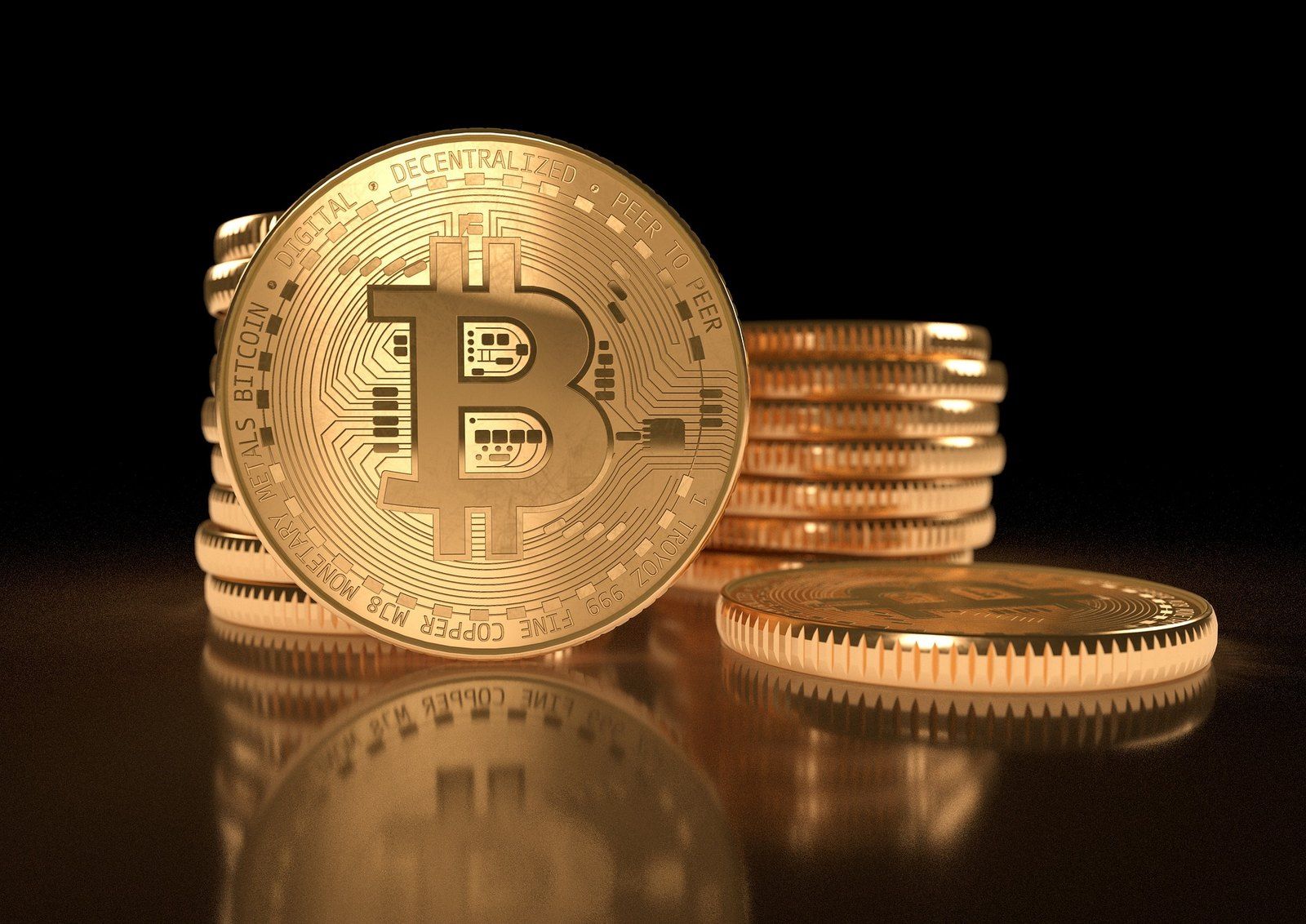
A cryptocurrency is digital money that no bank or government issues. Thousands of computers around the world keep its records, and the rules for how many coins exist and how they move are written into software anyone can inspect. Bitcoin came first, in 2009. Thousands followed: ether, which runs applications; XRP and Solana, built for fast payments; and stablecoinsTokens designed to hold a steady value, usually pegged one-to-one to the US dollar. such as USDT that aim to stay worth one dollar.
What it isn't: legal tender in Mexico, insured like a bank deposit, or backed by anyone if the price drops. Buying, holding and selling it is legal for locals and foreigners alike, as our guide to crypto law in Mexico explains.
How a blockchain works, minus the jargon
Picture an accounting ledger that isn't kept in one office but copied onto thousands of computers. Every time someone sends bitcoin, the transfer is written on a new page. The network's computers check that the sender really has the funds and, once they agree, the page is sealed and attached to all the previous ones. That chain of pages is the blockchainA public record of transactions grouped into linked blocks. Once something is written, it can't be erased or edited..
Three practical consequences follow. Transfers can't be undone, so if you send crypto to the wrong address there's nobody to call. Moving crypto costs a network fee that varies by coin and by how busy the network is. And everything is public but pseudonymous: anyone can see an address's activity, though your name isn't attached to it.
Wallets: where your crypto lives
Your coins aren't stored as a file on your phone. They're recorded on the blockchain, and what you hold is a private key that lets you move them. A wallet is the app or device that keeps that key. Whoever holds the key holds the crypto.
There are two broad types. With a custodialA company holds the keys for you, as when you leave coins on an exchange. Convenient, but you depend on that company. wallet the platform keeps the key, which is what happens when you leave crypto on an exchange. With your own wallet, such as Trust Wallet, MetaMask or a hardware device, the key is yours alone, backed up by a seed phraseThe 12 or 24 words that restore your wallet on any device. Anyone who sees them can empty it.. Lose it and nobody can recover it; let someone see it and they can empty the wallet.
For your first purchases, leaving coins on the exchange is fine. Once you hold an amount that matters, learn to move it to your own wallet; our wallet guide compares phone wallets and cold-storage devices you can get in Mexico.
Exchanges: where you buy
An exchange is a currency exchange for crypto: you put in money and swap it for coins, or the reverse. Here's a Mexico-specific quirk worth knowing: central-bank rules stop Mexican banks from selling crypto, so local exchanges use a Mexican payment company for your pesos and a foreign company for the crypto. That's also why your bank app won't have a bitcoin button.
Inside most exchanges you'll see two ways to buy. Instant buy says "pay MXN 1,000, get this much" and you're done; it's simple, but a spreadThe gap between the price you're quoted and the market price. A cost that doesn't always appear as a fee. is often built into the price. The order book, the "trade" screen, lets you set your own price and charges a small, visible fee. Start with instant buy and small amounts; once you're comfortable, the order book is cheaper. We cover each platform's quirks in our exchange reviews.
Identity checks: what foreigners and residents need
Every serious exchange will verify your identity. It's called KYCKnow Your Customer: identity verification required by anti-money-laundering rules. and anti-money-laundering rules require it. A platform that lets you move large amounts without asking for anything is a red flag, not a perk.
What you'll be asked for depends on who you are:
- Tourists and visitors: a passport and a selfie on international platforms. Mexican exchanges want a CURPClave Única de Registro de Población, Mexico's population ID. Foreign residents receive one with their residency card. for peso deposits, which visitors don't have, so card purchases or your home-country account are the realistic options.
- Temporary and permanent residents: passport or residency card, a selfie, and the CURP you are assigned as a resident. That unlocks SPEI deposits and withdrawals in pesos.
- Mexican citizens: an INE or passport, a selfie and a CURP.
Most rejections come from blurry photos, glare on the card, expired documents or a name that doesn't match your other records exactly. If your passport shows two surnames or a middle name, enter it the same way.
Your first purchase, step by step
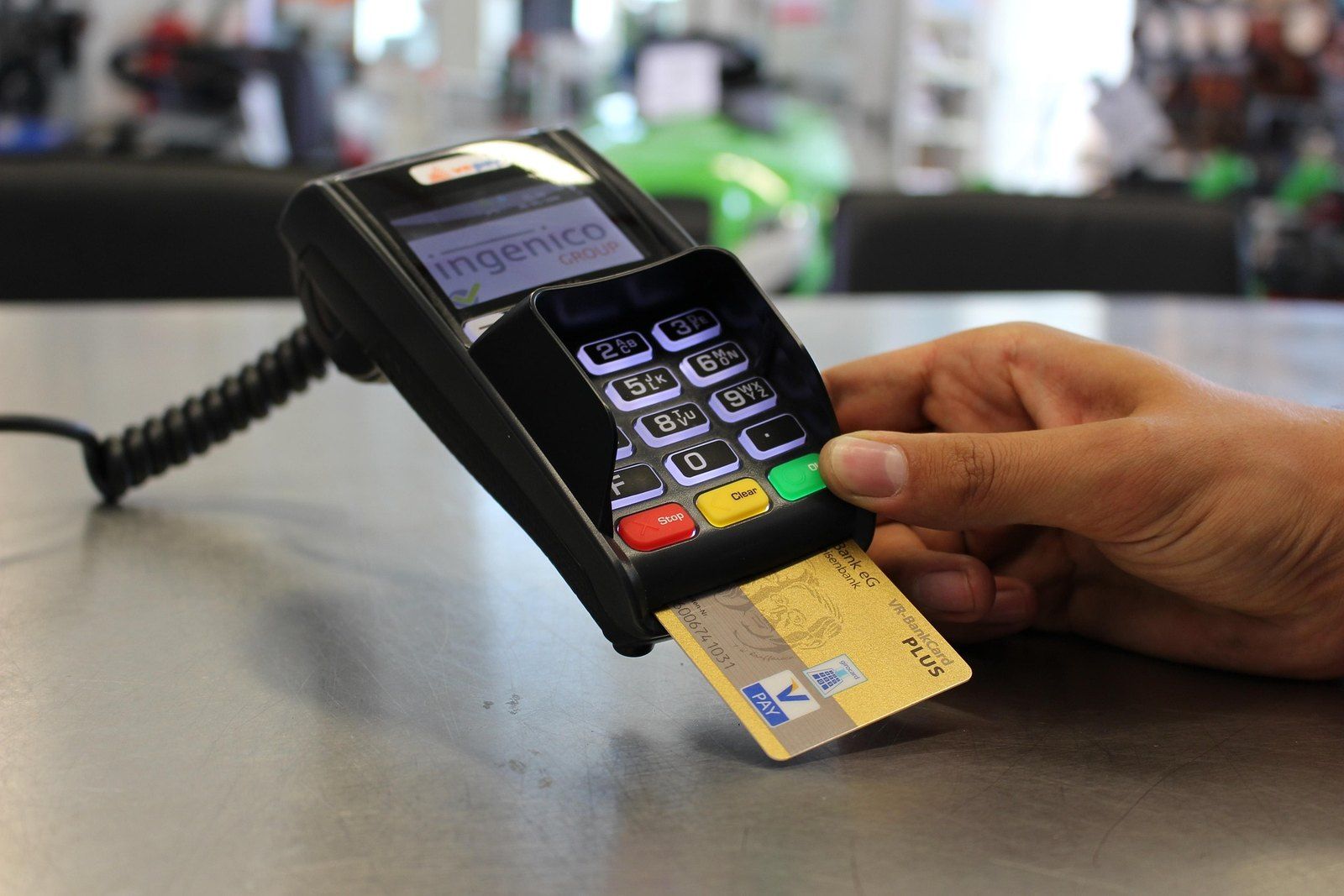
- Choose how you'll pay. A card is fastest and works for tourists, but costs more and may be billed in dollars. If you're a resident with a Mexican bank account, a SPEI transfer is cheaper for mid-sized amounts and runs 24/7.
- Create your account from the official app. Download it from your phone's app store, not from a link someone sent. Use a password you don't use anywhere else.
- Turn on two-factor authentication. Use an authenticator app such as Google Authenticator rather than text messages, especially if you swap SIM cards when travelling.
- Verify your identity. Upload your ID, take the selfie and, if you're a resident, add your CURP.
- Fund a small amount. Use a card or account in your own name; third-party payments are usually rejected. MXN 500 or USD 20–30 is plenty to practise.
- Buy and record it. Pick the coin, check the final price and fee before confirming, and write down what you paid in total. You'll need that number when you sell.
Your bank may decline a first card purchase or add a foreign-transaction fee, which is common with crypto. The card buying guide explains why, and residents can compare it with the SPEI transfer guide. The calculator below compares the estimated cost of the main payment routes in Mexico for the same peso amount.
Estimates using published fees: Bitso 0.13–0.78% (SPEI), Mercado Pago 1.5% + store fee (OXXO), CEX.IO 0.49–4.99% (card), CoinFlip 6% + MXN 50 (ATM). Excludes spread and network fees.
Picking your first coin
You don't need ten coins; most people start with one or two. Bitcoin is the best known and most liquid, with a direct peso pair on Mexican exchanges; see the bitcoin guide. USDT isn't meant to rise in value: it's a dollar-pegged token used for savings, P2P trades and remittances, covered in the USDT guide.
Meme coins like Dogecoin or Shiba Inu can multiply or crash within days, and coins pushed hard in a WhatsApp group are the most dangerous of all. To compare options calmly, our top coins in Mexico ranks them by how easy they are to buy with pesos.
Networks: the detail that costs beginners the most
Many coins travel on several different blockchains. USDT exists on Tron, Ethereum, Polygon and others. When you withdraw from an exchange or send to someone, the network you send on must match the network of the receiving address. Send on the wrong one and the funds are probably lost.
| Network | Where you'll see it | What to watch |
|---|---|---|
| Tron (TRC-20) | Very common for USDT in Mexican P2P and remittances | Bitso charges 3.4 USDT per withdrawal; from your own wallet you need TRX to pay the network |
| Ethereum (ERC-20) | ETH and many tokens | Network fees can spike when it's busy |
| Polygon | Low-cost USDT and USDC transfers | Bitso charges 0.01 USDT to withdraw USDT on this network |
| Lightning (Bitcoin) | Small, instant BTC payments | Free to withdraw from Bitso; the receiving wallet must support it |
Some coins, XRP for example, also require a memo or tagAn extra number or text that identifies your account at an exchange. Leave it out and the deposit can go missing. when depositing to an exchange. If you hold USDT in your own Tron wallet, keep a little TRX in it to pay for transfers; it's one of the most common beginner questions.
Security basics that actually work
Use different passwords for your exchange and your email, and protect both with app-based 2FA. Bookmark the exchange's official address and log in only from there or from the app. Write your seed phrase on paper, never in photos or cloud notes. And be suspicious of any message that rushes you, even if it looks like your bank. That pressure is how most of the frauds in our crypto scams guide begin, including the "pay at a bitcoin ATM" calls. If you'd like to try an ATM yourself, the bitcoin ATM guide covers fees and safe use.
Beginner mistakes to avoid
One more mistake deserves its own line: panic selling. Drops of 10% or 20% in a few days are normal in crypto. If you bought an amount you can live with and have a long-term plan, a bad week shouldn't force you out. If a dip keeps you up at night, you probably put in more than you should have.
Taxes: the minimum to know
Holding crypto isn't taxed. Selling at a gain is generally taxable, and if you're a Mexican tax resident that gain goes on your April annual return at the progressive income-tax rates. US citizens also keep reporting to the IRS wherever they live. There's no crypto-specific SAT rule, so the most useful habit from day one is keeping a record of every buy and sell. The Mexico crypto tax guide has the details and a calculator.
Open an account, verify your identity and try a small amount. You can pay with a debit or credit card in a few minutes.
Whenever a term trips you up, the crypto glossary explains slippage, custody, TRC-20, maker and taker and many more in plain English.
Before your first larger purchase, see how spread, platform fees and network costs add up in our guide to crypto fees in Mexico.
Frequently asked questions
Can I buy crypto in Mexico as a tourist?
Yes. The simplest route is to keep using an exchange account from your home country, or to buy with your card on an international platform that bills in dollars. Mexican exchanges ask for a CURP to deposit pesos, which tourists don't have.
Do I need a Mexican bank account to buy crypto?
No, not if you buy by card. A Mexican account becomes useful once you're a resident and want to deposit or withdraw pesos by SPEI, the central bank's 24/7 transfer system, which is usually the cheapest route for larger amounts.
How much money do I need to start?
Very little. Crypto is divisible, so you don't need a whole bitcoin. Some Mexican exchanges accept SPEI deposits from MXN 150, and card platforms usually start around USD 20. For learning, the equivalent of USD 20–50 is enough.
Which crypto should a beginner buy first?
Most people start with bitcoin, the best known and most liquid, or with USDT if they want a dollar-pegged token for savings or payments. This isn't investment advice: any coin can fall in price, and meme coins are the riskiest.
Is it safe to buy crypto in Mexico?
Buying is legal and the risks are manageable if you're careful: prices swing hard, platforms can fail, and scams are common. Open accounts yourself from the official app, use an authenticator app for 2FA, and never share your seed phrase or codes.