On this page
Picture a digital nomad in Playa del Carmen who gets paid in USDC, a retiree in Lake Chapala who keeps savings in bitcoin, or a visitor who wants to try paying for dinner in Mexico City with crypto. All three are asking the same thing: which crypto card can I actually use here, and what does it cost me?
The answer changed recently. Mexico's best-known local crypto card shut down, Bybit launched a peso-denominated Mastercard, and the rest of the internet is full of comparison tables that contradict each other. This guide separates what we could confirm from what we could not, then walks through conversion costs, currency traps at the terminal, and the tax side of every tap.
How a crypto card pays in pesos
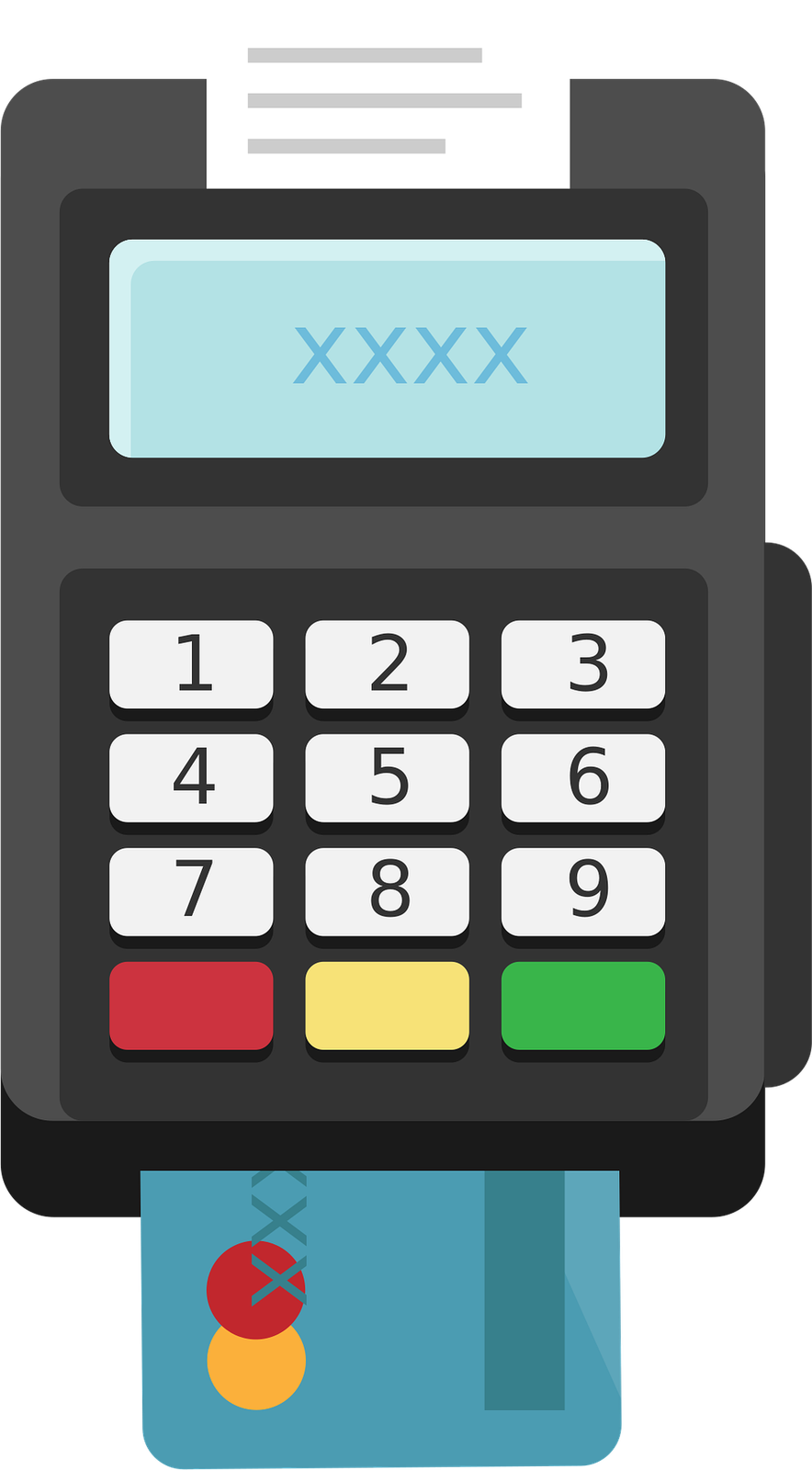
A crypto card is almost always an ordinary debit or prepaid card issued by a payments company and linked to your balance at an exchange or wallet app. The merchant sees a normal Visa or Mastercard payment in pesos and never touches crypto.
What happens in the second or two after you tap:
- You pay a peso amount, say MXN 850 at a pharmacy in Guadalajara.
- The card network asks the issuer to approve the charge; the issuer checks your crypto balance.
- The issuer sells just enough crypto at the current price, takes its conversion fee and converts into the card's currency.
- The merchant gets pesos through the normal card rails, and your crypto balance drops.
Step 3 is the whole story: every purchase is a small crypto sale. That has a cost and a tax consequence. Behind the brand there is usually a BIN sponsorA licensed payments company that lends its bank identification number (BIN) so another brand can issue cards on the Visa or Mastercard network.; for the Bybit Card in Mexico that role belongs to the processor Pomelo.
Crypto cards in Mexico: confirmed vs unconfirmed
The big change was the end of the Bitso Card, a debit Mastercard tied to your peso balance at Bitso with bitcoin rewards. It stopped working on 26 May 2025, and we have found no relaunch. For what Bitso still offers, see our Bitso review.
| Card | Status in Mexico | What we know | Confidence |
|---|---|---|---|
| Bybit Card | Live since July 2025 | Mastercard in pesos, virtual first, physical announced | Confirmed by Bybit and press |
| Bitso Card | Closed | Stopped working on 26 May 2025 | Confirmed |
| Binance Card | Unconfirmed | Sources say both "closed to applications" and "launched in 2026" | Conflicting |
| OKX Card | Unconfirmed | One guide limits it to Europe and Singapore; another lists Mexico | Conflicting |
| Crypto.com, RedotPay | Unconfirmed | Listed by comparison sites, not by official Mexico pages | Third-party only |
Bybit Card
The Bybit Card launched in Mexico in July 2025 on Mastercard, with Pomelo as processor and local BIN sponsor. Bybit says that when your identity verification country is Mexico, the card is denominated in pesos, so domestic purchases avoid a currency fee. It launched as a virtual card compatible with Google Pay, with physical cards and Apple Pay announced for the following months. We could not confirm that physical cards now ship nationwide.
Launch terms: a 0.9% crypto conversion fee, an extra 2% on purchases abroad, limits of USD 5,000 per day and USD 100,000 per year, and tiered crypto cashback by monthly spend, up to 10% at the top tiers. You can spend BTC, ETH, XRP, TON, USDT, USDC, MNT or BNB. Independent comparison sites report a monthly cap on base-tier cashback, so do not expect 10% on light spending. Note that Bybit does not serve US residents. Full details are in our Bybit review.
- Denominated in pesos with Mexican ID verification: no currency fee on domestic purchases
- No annual fee announced at launch
- Choose which asset is spent first, including stablecoins like USDT and USDC
- 0.9% on every conversion from crypto to pesos
- Extra 2% on purchases outside Mexico or from merchants charging another currency
- High cashback only at upper tiers; base tier is capped monthly
Binance, OKX, Crypto.com and RedotPay
Binance Card: one comparison site says Binance stopped taking new applications in 2025; a competitor's blog says the card reached Mexico in 2026 through a global program. We found no official Binance page confirming it for Mexican residents, so we treat it as unverified.
OKX Card: OKX's official card page lists no countries and only warns that the product may not be available everywhere. One 2026 guide says it covers only the European Economic Area and Singapore; a card directory marks it as available in Mexico. Until OKX confirms it, do not count on it. Our OKX review covers what OKX does offer here.
Crypto.com and RedotPay: the Crypto.com Visa appears as available in Mexico only on a competitor's blog, although Mexico is eligible for Crypto.com's USD SWIFT account (see our Crypto.com review). RedotPay, a prepaid card that accepts BTC, ETH, USDT and USDC, shows up in card directories for Mexico without an official confirmation we could check.
Using a card issued outside Mexico
Many expats and visitors already carry a crypto card from the US, Canada or Europe. Visa and Mastercard work across Mexico, so the card itself is rarely the problem; costs are. The merchant charges pesos, and your card converts pesos into its own currency, which can trigger a foreign transaction fee on top of the crypto conversion.
Then there is the terminal trap: dynamic currency conversionWhen a payment terminal offers to charge your foreign card in your home currency instead of pesos. The terminal sets the exchange rate, usually with a markup.. Card terminals and ATMs in tourist areas such as Cancún or Los Cabos often ask whether you want to pay in dollars. Say no and pay in pesos; the terminal's rate is usually worse than your card's.
What each swipe really costs
A crypto card rarely shows a fee on the receipt, but each payment can stack three costs:
- Conversion fee: what the issuer charges to sell your crypto. At Bybit, 0.9%.
- Foreign purchase or currency fee: if the card is in another currency, or the merchant charges in another currency or is abroad. At Bybit, an extra 2% abroad.
- SpreadThe gap between the buy and sell price of an asset. If your crypto is sold slightly below market price, that difference is a cost that never shows up as a fee.: the issuer's sale price can sit a little below the market price.
Round numbers: paying MXN 1,000 in a Monterrey shop with a peso Bybit Card funded with USDT costs about MXN 9 in conversion. Pay an online merchant that bills in dollars and add 2%, so MXN 29 per thousand. On MXN 15,000 of monthly spending that is between MXN 135 and MXN 435 a month. For big planned expenses, such as rent or a deposit on an apartment, selling crypto for pesos and withdrawing by SPEI is often cheaper; see our guide to selling crypto in Mexico.
Tax: every purchase can be a disposal
This is the part most card marketing skips.
If you are a US taxpayer, and US citizens remain one wherever they live, the IRS treats crypto as property. Every purchase with a crypto card is a disposal that can create a capital gain or loss, measured against your cost basisWhat you originally paid for the crypto you are selling, including fees. Subtract it from the sale value to get your gain or loss..
If you are a Mexican tax resident, which can include foreigners with residency who live here most of the year, Mexico has no crypto-specific regime. The prevailing interpretation, from a PRODECON study, treats a crypto sale as a disposal of goods. When the card sells your bitcoin to pay for dinner, you are disposing of bitcoin, and a gain in pesos is reported in your annual return.
An illustrative example: you bought 0.01 BTC for MXN 15,000. Later, with bitcoin higher, you spend half of it, now worth MXN 10,000. The cost of that half was MXN 7,500, so you have a MXN 2,500 gain even though no pesos ever hit your bank account. With stablecoins gains are small but not always zero for a peso-based taxpayer: USDT bought with the dollar at MXN 17.50 and spent with the dollar at MXN 19.00 carries a 1.50 peso gain per token. There is also no clear rule on crypto cashback.
Keep it manageable: export card and exchange history monthly, use one cost method consistently, and keep statements, since foreign platforms do not issue Mexican CFDI invoices. Our Mexico crypto tax guide covers residents vs non-residents, and a cross-border accountant is worth the fee.
Open an account, verify your ID and buy USDT or bitcoin by card in minutes, then send it to your card provider.
Crypto card vs buying crypto with your bank card
These are different things. A crypto card lets you spend crypto you already own. Using your bank debit or credit card to buy crypto is a separate transaction with its own fees and frequent bank declines; see our guide to buying crypto with a card in Mexico.
And a card is not a wallet. The balance behind a crypto card sits in an exchange account, in a third party's custodyWhen a company holds your crypto for you. Convenient, but you depend on that company staying solvent and not freezing your account.. Keep larger savings separate and under your own keys, as our crypto wallets guide explains.
Should you get one?
A crypto card makes sense if you earn or save in crypto, especially stablecoins, and want to spend without routing everything through a bank. It is less sensible for long-term holdings: every tap sells a piece, charges conversion and creates tax paperwork. Buy, hold in your own wallet, and sell only when you need pesos.
Buy a little USDT, load it on your card and make one test purchase. Your history will show exactly how much went to conversion.
Frequently asked questions
Which crypto debit card works in Mexico?
The only major exchange card with a confirmed Mexico launch we found is the Bybit Card, a Mastercard that arrived in July 2025, first as a virtual card. The Bitso Card stopped working on 26 May 2025. For Binance, OKX, Crypto.com and RedotPay the information conflicts, so check inside each official app whether you can apply with your residency and ID.
Can I use my US crypto card in Mexico?
Generally yes, because Visa and Mastercard are accepted across Mexico. The merchant charges pesos and your card converts from your crypto or dollar balance, so check your card's foreign transaction fee. When a terminal offers to charge you in US dollars instead of pesos, choose pesos: the terminal's own conversion rate is usually worse.
Can a foreigner get the Bybit Card in Mexico?
Bybit says the card is denominated in pesos when your identity verification country is Mexico. Bybit does not serve US residents, and whether a foreign resident of Mexico can verify with a Mexican residency card was not something we could confirm. Check eligibility in the app's Card section before relying on it.
Is spending crypto with a card taxable?
Usually, yes. Each purchase sells some of your crypto, which counts as a disposal. In the US, the IRS treats crypto as property, so every spend can create a gain or loss. In Mexico, tax residents treat the sale as a disposal of goods. Using stablecoins keeps gains small. See our Mexico crypto tax guide.
Is there a physical Bybit Card in Mexico?
At launch in Mexico the card was virtual, working with Google Pay, and Bybit said physical cards and Apple Pay would follow in the coming months. We could not confirm that physical cards are now shipping nationwide, so look for the option in the app.