On this page
- What's near you in the metro area
- Bitcoin ATMs: how many, and what they cost
- Buying as a foreigner: card, home exchange or SPEI
- Cashing out for pesos
- The Guadalajara Lightning community
- Spending sats in the city
- Why the tech scene matters
- Remittances: the other money flow
- Taxes, safety and legal basics
- Beyond Guadalajara
Guadalajara attracts a mixed crowd of foreigners. Remote workers and tech employees settle in Colonia Americana, Providencia and Zapopan. A large community of American and Canadian retirees lives an hour south, around Lake Chapala and Ajijic. Students come for the universities. If you hold bitcoin, the city has an unusual profile: few machines, few merchants, but a committed local community that builds payment tools on LightningA payment layer on top of Bitcoin for small, instant payments with very low fees. You pay by scanning a QR code. and keeps the merchant map current.
This guide starts with where things are, then covers how to buy and cash out as a foreigner, and ends with the community.
What's near you in the metro area
Guadalajara is really a metro area of several municipalities. Here is what public directories show in each part of it. Everything below can change, so confirm before you go.
| Where you're based | What directories list nearby | Practical route |
|---|---|---|
| Colonia Americana and downtown | An ATM run by Montebit inside a comic-book store on Pedro Moreno, cafés that take sats | Card purchase, or the ATM for small cash amounts |
| Zapopan (Andares, Galerías, Patio Patria) | Several ATM listings in malls, a cluster of veterinary clinics that accept bitcoin | Card or ATM; check mall listings first |
| Tlaquepaque | An ATM on the road to Los Altos, weekdays and Saturday mornings only | Card; plan around opening hours |
| Lake Chapala and Ajijic | Nothing on BTC Map within 15 km | Buy online; use ATMs on trips into the city |
Bitcoin ATMs: how many, and what they cost
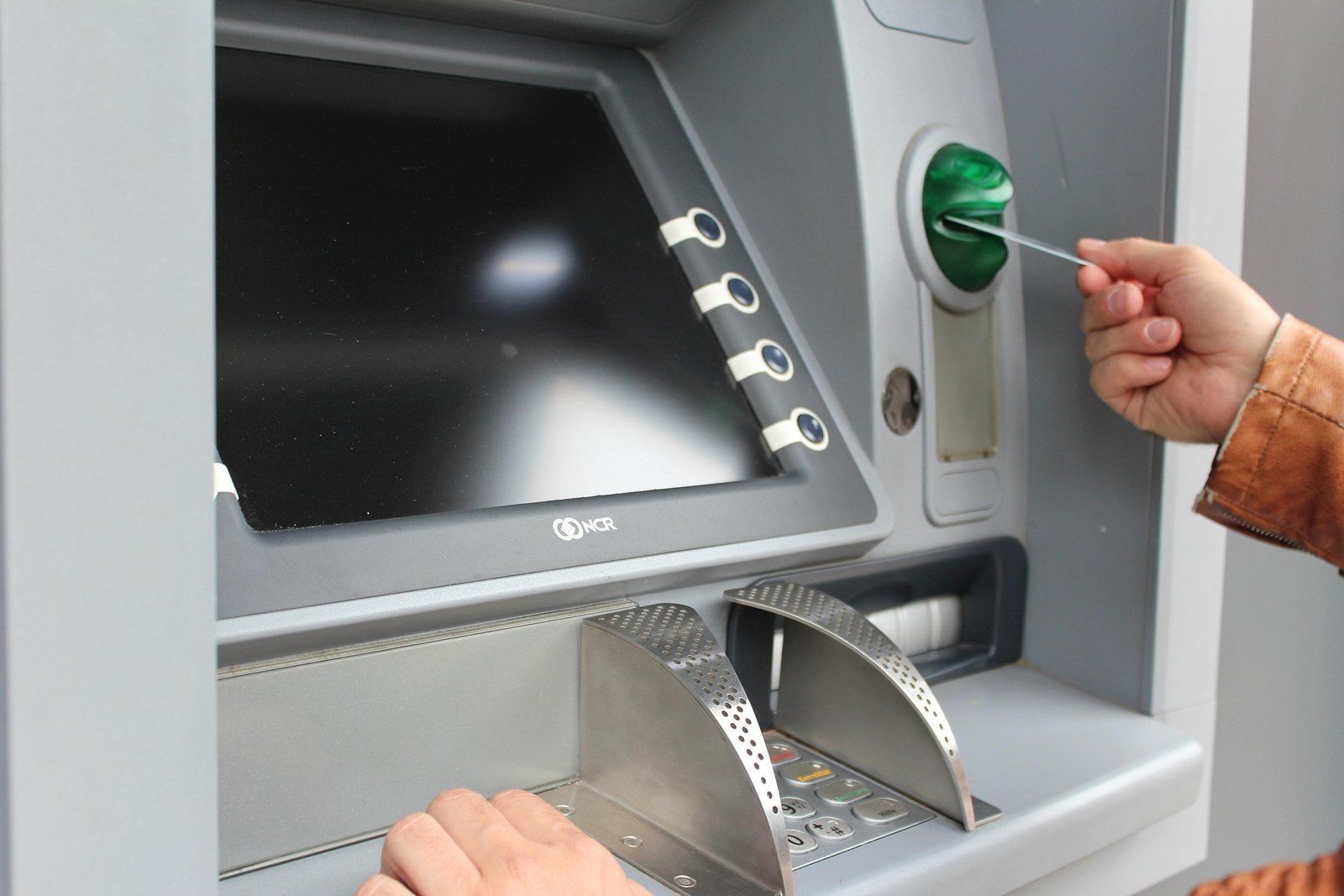
There is no single reliable count. The CoinATMRadar figure published by UPay shows about 7 machines in Guadalajara and 1 in Zapopan. Bitbo lists only 2: one at BorealGas in Tlaquepaque and one at Fantástico Comic in Colonia Americana, the latter run by Montebit. BTC Map has 5 ATM entries, three logged in late 2023, and Swapzone lists 4 machines under the BTM Cripto brand. A fair reading is somewhere between 2 and 8 working machines at any given time.
Fees are steep. CoinFlip, Mexico's largest operator, lists 6% plus MXN 50 per transaction, and smaller operators show their price on screen. For amounts that need ID, bring your passport. You also need a wallet on your phone to receive the coins; our wallet guide covers the options. The national bitcoin ATM guide has a fee calculator and more on limits.
Buying as a foreigner: card, home exchange or SPEI
How you buy depends mostly on your immigration status and where your money sits.
Visitors and new arrivals. Use a card from your home bank on an international platform, or keep using your home-country exchange. Card purchases cost more than bank transfers, and your issuer may add a foreign-transaction fee, but you can do it on day one. The card guide explains what to do if your card gets declined.
Retirees with US income. Many retirees around Chapala keep their pensions and Social Security going into US accounts. For them, the simplest route is often a US exchange funded from that account, with coins sent to a wallet they control. Nothing about living in Mexico forces you to switch.
Temporary and permanent residents with a Mexican account. Once you have residency, you can get a CURP and open a Mexican bank account. Then you can deposit pesos to a local exchange by SPEIMexico's 24/7 interbank transfer system run by Banco de México. Transfers settle in seconds to minutes. and buy on the order book, which is usually the cheapest route of all.
Compare what each route costs on the same amount:
Estimates using published fees: Bitso 0.13–0.78% (SPEI), Mercado Pago 1.5% + store fee (OXXO), CEX.IO 0.49–4.99% (card), CoinFlip 6% + MXN 50 (ATM). Excludes spread and network fees.
Create an account, verify your passport and buy in minutes. The platform is registered with FinCEN as an MSB (NMLS 1804170) and with the UK FCA.
Cashing out for pesos
At some point you need pesos for rent, the gardener or the market. If you have a Mexican account, sell on a peso exchange and withdraw by SPEI. If you don't, sell on your home exchange and use a debit card or a multi-currency service to spend in pesos, or use a crypto card that converts at the point of sale. Two-way ATMs that pay out cash exist, but they are the most expensive route. Our guide to selling crypto in Mexico compares the options.
The Guadalajara Lightning community
Bitcoin y Lightning Guadalajara (btc_ln_gdl) was founded in 2021 and focuses only on bitcoin. Its website describes Saturday coffee meetups at a donut café and monthly themed talks at Hacker Garage, a developer space. Past sessions covered hardware walletsA small physical device that keeps your bitcoin keys offline. The usual choice for storing larger amounts., bitcoin adoption in Argentina and how to buy and sell sats. The group also runs BitDevs Guadalajara, a technical seminar in Socratic format.
Around that group sits Stacker Space, a bitcoin-only hacker house. It hosts Hackalajara, a Lightning hackathon first held in 2024 that returned in August 2026 with prizes for payments, education, developer tools and local use cases. The same month PlebLab brought its Startup Day to Ciudad Creativa Digital, a downtown complex built for tech and media companies. The Bull Bitcoin Mexico tour also stopped at Stacker Space.
Spending sats in the city
Within 20 km of downtown, BTC Map lists about 35 places. Eight are Elektra stores tagged in bulk after the chain announced Lightning payments, and five are ATMs. The rest is a more varied mix than in most Mexican cities: veterinary clinics in Zapopan, cafés, a brewery, a taco spot, a pretzel stand, two dental practices and a hotel.
The telling detail is freshness. Nine of those listings were verified in 2025 or 2026, compared with none in a similar radius around Monterrey. That suggests someone is out confirming merchants still accept payment. It still pays to ask before you order. If you are new to self-custody, start with a custodialA wallet where a company holds the keys for you. Easier to use, but you depend on that company staying solvent and not freezing your account. Lightning wallet holding small amounts, and keep savings elsewhere.
Why the tech scene matters
Guadalajara's "Mexican Silicon Valley" label comes from decades of electronics manufacturing. Jalisco's exports of computer, communication and electronic equipment reached about US$10 billion in 2025, according to MexicoIndustry, and the city has grown a software and fintech sector on top of that. Kueski, one of Mexico's best-known online lenders, was founded here in 2012. Add universities such as the Universidad de Guadalajara, ITESO and the local Tec de Monterrey campus, which hosted a Solana hackathon organized by Etherfuse in 2023, and you get a steady supply of developers. That's the base the local Lightning builders draw on.
Remittances: the other money flow
Jalisco is one of the biggest remittance destinations in Mexico. It received US$5,146 million in family remittances in 2025, third after Guanajuato and Michoacán, though 6.5% less than the year before, according to Banco de México data compiled by BBVA Research. If you employ a housekeeper whose family sends money from the US, or you send money to someone here yourself, the stablecoin route can cost less than a traditional transfer, with its own trade-offs: both sides need an exchange account, and the recipient still has to convert to pesos. Our guide to sending money to Mexico with crypto compares it step by step.
Taxes, safety and legal basics
Crypto is legal to hold and trade in Mexico but isn't legal tender, and Mexican banks can't sell it to you. If you are a Mexican tax resident, gains on selling crypto are taxable, and US citizens still file US returns wherever they live. See the crypto tax guide and talk to an accountant who works with expats.
On safety, use ATMs inside malls during business hours, and hang up on anyone who asks you to deposit cash into a crypto ATM for "your bank" or "an investment". That is a common scam pattern in Mexico; the scam guide lists others.
Beyond Guadalajara
Puerto Vallarta, on the Jalisco coast, has no bitcoin ATM in any directory we checked; the cities page covers it briefly along with other places without a full guide. For the country's largest ATM network, see the Mexico City guide, and for beach-town ATMs and Lightning on Isla Mujeres, the Cancún and Riviera Maya guide.
Buy a little, send it to your own wallet, pay for a coffee over Lightning and sell the rest. You will know every fee before you move more.
Frequently asked questions
Are there bitcoin ATMs in Guadalajara?
Yes, but counts vary by directory. The CoinATMRadar figure published by UPay in May 2026 shows about 7 in Guadalajara and 1 in Zapopan, while Bitbo lists 2 and BTC Map has 5 ATM entries across the metro area. Confirm with the operator's locator before going.
Can I buy bitcoin near Lake Chapala or Ajijic?
Not in person, as far as public directories show. BTC Map lists no merchants or ATMs within 15 km of Ajijic. Buy online with a card or through your home-country exchange, or use an ATM when you are in Guadalajara.
Where can I pay with bitcoin in Guadalajara?
BTC Map lists about 35 places within 20 km of downtown, including cafés, a brewery, dental offices and a hotel, several of them verified in 2025 and 2026. Eight are Elektra stores. Ask before you order, since listings can go stale.
How do I join a bitcoin meetup in Guadalajara?
Bitcoin y Lightning Guadalajara posts its events on Meetup and on social media as btc_ln_gdl. It runs Saturday coffee meetups, monthly themed talks and a BitDevs technical seminar. Some venues are shared only after you RSVP.
Can retirees with US accounts buy crypto in Mexico?
Yes. Many keep using a US exchange funded from their US bank and send coins to their own wallet. Peso exchanges that take Mexican bank transfers usually need a CURP, which you get with temporary or permanent residency.